
Frequently Asked Questions
Patriot Plumbing Services – Plumbing FAQ for Northern Virginia Homeowners
Welcome to our Plumbing FAQ, designed specifically for homeowners in Northern Virginia – including Fauquier, Prince William, Loudoun, Culpeper, Fairfax, Arlington, and Alexandria.
We focus on real-world issues we see every week in local homes: which problems require a licensed plumber on site, and what you can safely try yourself.
If you’re dealing with an urgent problem right now, call us at (703) 365-7707 for 24/7 emergency service.
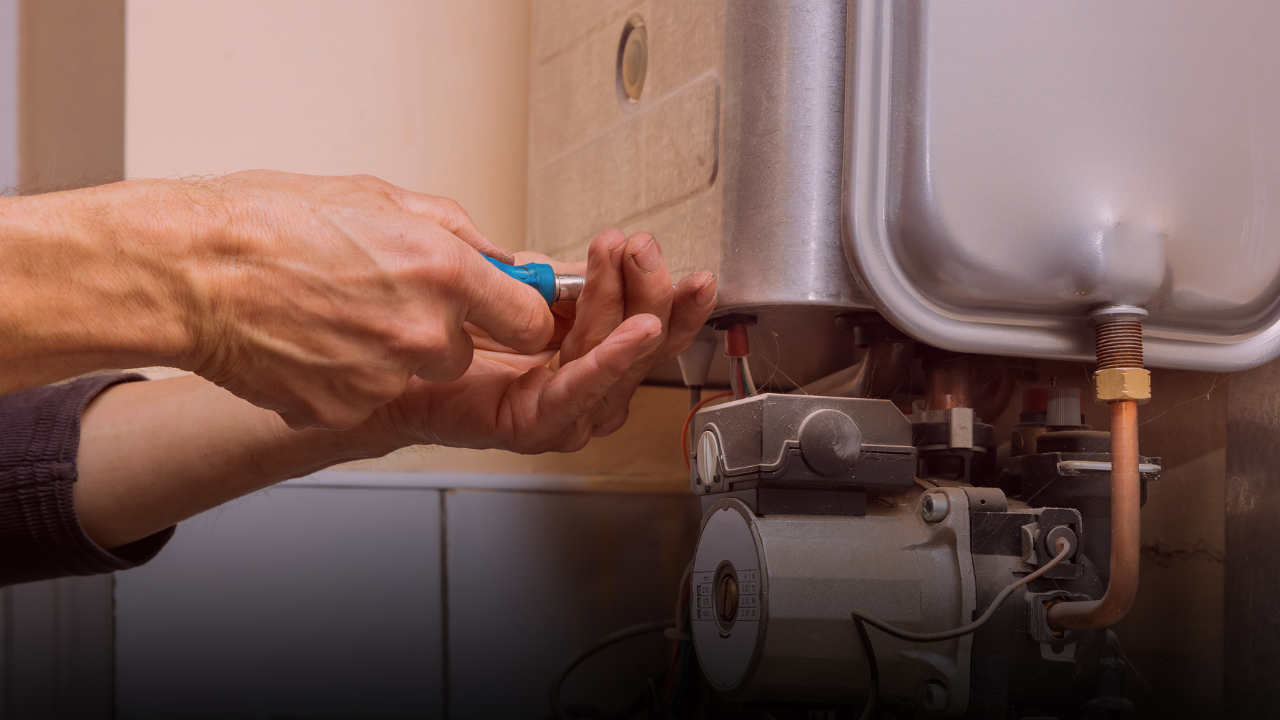
Patriot Plumbing Services FAQ
When is a plumbing problem an emergency?
Treat it as an emergency and call a plumber immediately if you have:
- A burst or actively leaking pipe you can’t control
- Sewage backing up into tubs, showers, floor drains, or toilets
- No water at all to the house (especially if you’re on a well)
- A leaking water heater, especially from the tank itself
- Frozen pipes that are bulging, cracked, or leaking as they thaw
These issues can cause serious water damage, mold, and structural problems if you wait.
Not sure if it’s an emergency?
If water is on the floor, sewage is involved, or you can’t safely use a key part of your home (kitchen, only bathroom, main sewer), call. It’s cheaper to fix early than after a ceiling collapses.
What should I do if a pipe bursts or I find a major leak?
Do this immediately:
- Shut off the main water supply.
- Your main shutoff is usually near where the water line enters the house, near a crawlspace, basement, or utility room.
- Your main shutoff is usually near where the water line enters the house, near a crawlspace, basement, or utility room.
- If water is near electrical outlets or your panel, do not step in it. Stay away and wait for help.
- Move furniture and valuables out of the affected area if you can do so safely.
- Call Patriot Plumbing Services for emergency repair.
- Start blotting up water with towels; use fans or a wet/dry vac if available.
Do not:
- Use a torch or open flame to thaw any nearby frozen pipes. Fire is a bigger risk than the leak.
- Ignore “small” leaks. They rarely stay small.
A burst pipe almost always requires a plumber. Temporary tape or clamps are just that—temporary.
My water pressure is suddenly low (or I have no water). What’s going on?
Common causes in Northern Virginia include:
- Clogged faucet/shower aerators (mineral buildup from hard water)
- Partially closed or failed shut-off valve
- Hidden leak in a wall, crawlspace, or underground
- Well pump or pressure tank issues (for homes on wells)
- Municipal issues (city main break, hydrant flushing, etc.)
Quick checks you can try:
- Test multiple fixtures: is it one sink, or the whole house?
- Unscrew and rinse faucet aerators and showerheads to remove mineral deposits.
- Make sure your main shutoff and any branch valves are fully open.
Call a plumber right away if:
- Pressure dropped suddenly everywhere.
- You hear water running but don’t see it.
- You’re on a well and the pump is short-cycling (rapid on/off), running constantly, or you have no water at all.
Those are signs of serious leaks, failing pumps, or pressure tanks that can damage equipment and cause flooding.
What are signs my main sewer line is clogged?
Main sewer problems are common in older Virginia neighborhoods with mature trees and clay/aging lines.
Red flags:
- Multiple drains are slow or backing up at the same time (toilets, tubs, floor drains)
- Gurgling noises from toilets when other fixtures drain
- Sewage smell in the house or yard
- Wastewater coming up in a shower or tub when you flush the toilet
- Standing, foul-smelling water near your sewer line route
Do not:
- Keep flushing or running water “to see if it clears.” You’ll push more sewage into the house.
- Rely on chemical drain cleaners. They rarely fix a main and can damage pipes.
What to do:
- Stop using water as much as possible.
Call a plumber for drain cleaning and camera inspection. Patriot can locate the exact problem area and clear or repair the line before it becomes a full backup.
My toilet is clogged or keeps overflowing. What can I safely try before calling?
First, stop the overflow:
- Take off the tank lid and gently push the flapper down to stop water entering the bowl.
- Turn the supply valve (behind/under the toilet) clockwise to shut off water to the toilet if needed.
DIY options that are usually safe:
- Use a good plunger (flanged or accordion style) with a tight seal.
- For minor clogs, a toilet auger (closet snake) can work if you’re comfortable using it.
Call a plumber if:
- The toilet overflows repeatedly.
- You see backing up in other fixtures (tub, shower, other toilets).
- Kids’ toys, wipes, feminine products, or other objects were flushed.
Repeat overflows often mean there’s a deeper blockage further down the line, not just in the toilet.
Why does my toilet keep running, and can I ignore it?
A constantly running toilet usually means:
- Worn or misaligned flapper
- Chain too tight/loose
- Faulty fill valve
- Improper float level
- Sediment/mineral buildup
You can often try:
- Jiggle or adjust the handle/chain if it’s clearly sticking.
- Check that the flapper is sealing properly and not warped.
- Adjust the float so the water stops below the overflow tube.
Don’t ignore it.
A running toilet can waste hundreds of gallons per day, driving up your water bill and sometimes masking other issues. If simple adjustments don’t fix it, have us replace the worn components and check for high water pressure.
Should I use chemical drain cleaners for slow drains?
Short answer: skip them.
Most liquid drain cleaners:
- Are corrosive and can damage older or PVC pipes, rubber seals, and fixtures
- Often only punch a small hole through the clog, so the problem returns
- Are hazardous if splashed or mixed with other plumbing work later
Better options:
- Remove and clean hair traps and stoppers in sinks/tubs.
- Use a plunger or a small hand snake for simple clogs.
- Call a plumber for professional drain cleaning (snaking, jetting) if the clog is recurring or deep in the line.
If your drain backs up more than once or affects multiple fixtures, treat it as a main line issue and get it professionally cleared.
My water heater is leaking, noisy, or not keeping up. What should I do?
Northern Virginia’s mineral-rich water often causes sediment buildup in water heaters, leading to noise, reduced capacity, and leaks over time.
If you notice:
- No hot water / very little hot water
- Popping or rumbling noises from the tank
- Water pooling under or around the heater
- Rusty or discolored hot water
Steps you can take safely:
- Check the breaker (electric) or gas shutoff (if you know how) to be sure power/fuel is on.
- Verify the thermostat hasn’t been turned way down.
Call a plumber immediately if:
- Water is leaking from the tank itself (not just a loose connection). The tank is usually done and needs replacement.
- The temperature & pressure (T&P) relief valve is discharging regularly. That’s a safety issue.
- The unit is 10–12+ years old and having repeated problems.
Patriot installs and services both tank and tankless water heaters and can recommend the right size and type for your home.
We’re on a well. What are common well pump and pressure tank problems?
Common signs of well system issues include:
- No water or very weak flow throughout the house
- Water pressure that rapidly cycles from strong to weak
- Pump short-cycling (turns on and off quickly)
- Air “spitting” from faucets
- Noticeable muddy, sandy, or rusty water
These usually indicate:
- Failing well pump
- Bad or waterlogged pressure tank
- Leaks in the line from the well to the house
- Sediment intruding into the system
There is very little the average homeowner should attempt beyond checking the breaker. Pumps, tanks, and pressure controls operate under high pressure and often involve electrical work. Call a licensed plumber to diagnose and repair.
Do I need water testing or a whole-house filter in Northern Virginia?
It depends on your water source and what you’re seeing at home.
City water (municipal):
- Generally treated and safe, but may have chlorine taste/odor, fine sediment, or hardness that affects skin and appliances.
- A whole-house filter or softener can improve taste, reduce scale, and protect fixtures.
Well water:
- Can contain iron, sulfur, bacteria, sediment, or hardness that stain fixtures, clog plumbing, and cause odors.
- In many well homes, some level of filtration or treatment is essential for safe, comfortable water.
Signs you may need testing/treatment:
- Staining in tubs, sinks, toilets
- Rotten-egg or metallic smell
- Frequent scale buildup on fixtures and appliances
- Cloudy water or visible particles
- Skin irritation or concerns about contaminants
Patriot can test your water, explain the results in plain language, and design a treatment system (sediment filters, softeners, iron/sulfur filters, UV, etc.) tailored to your home.
How can I prevent frozen pipes in a Northern Virginia winter?
Frozen and burst pipes are a major cause of winter damage in Virginia when temperatures drop below freezing.
Before cold weather:
- Insulate exposed pipes in crawlspaces, basements, garages, and along exterior walls.
- Seal gaps around hose bibs, sill plates, and penetrations where cold air enters.
- Disconnect garden hoses and install insulated covers on outdoor spigots.
During a deep freeze:
- Keep heat on and set your thermostat to a consistent temperature, day and night.
- Open cabinet doors under kitchen and bathroom sinks on exterior walls.
- Let a slow drip run from faucets on vulnerable lines.
If you suspect a frozen pipe:
- Turn off the water at the main if you see any bulging or leaks.
- Do not use open flames to thaw pipes. Use a hair dryer, space heater, or just call us.
Proactive work (insulation, rerouting exposed sections, adding shutoffs) is far cheaper than cleaning up after a burst.
Why do my pipes make banging or knocking noises when I use water?
That “banging in the walls” is usually:
- Water hammer – water flow stops suddenly and creates a shockwave
- High water pressure
- Loose pipes rattling against framing
- Thermal expansion of hot water lines
- Worn valves or sediment causing turbulence
This is not just an annoyance. High pressure and water hammer can damage pipes, fittings, and appliances over time.
A plumber can:
- Check and adjust water pressure
- Install or service hammer arrestors
- Secure loose piping
- Flush sediment and service valves
How often should I have my plumbing inspected or serviced?
A good rule of thumb for Northern Virginia homes:
- Annually:
- Inspect visible piping, shutoff valves, and hoses
- Test sump pumps and sewer ejectors
- Check water heater (flush if needed, inspect T&P valve)
- Inspect visible piping, shutoff valves, and hoses
- Every 3–5 years (or sooner if you have issues):
- Professional drain and sewer inspection, especially in older homes or homes with large trees
- Well system check (pump, pressure tank, pressure switch) for well owners
- Professional drain and sewer inspection, especially in older homes or homes with large trees
Regular maintenance catches small problems before they become emergencies and extends the life of your plumbing system.
What can I do to prevent clogs and plumbing issues at home?
Simple household rules make a big difference:
Drains & kitchen:
- Scrape plates into the trash; avoid putting grease, oil, coffee grounds, or fibrous foods (celery, peels) down the sink.
- Use drain strainers in sinks, tubs, and showers to catch hair and debris.
- Run plenty of water when using a garbage disposal and avoid overloading it.
Toilets:
- Only flush toilet paper and human waste.
- Do not flush wipes (even “flushable”), feminine products, paper towels, cotton balls, or kitty litter.
Whole house:
- Know where your main water shutoff is and make sure everyone in the household does too.
- Fix small drips and running toilets promptly; they’re often early warning signs of bigger issues.
If you’re following these guidelines but still fighting recurring problems, there’s usually a deeper issue worth having a plumber diagnose.
Need help with a plumbing problem in Northern Virginia?
If you’re facing any of the issues above—or something that just doesn’t seem right—our team at Patriot Plumbing Services is ready to help with:
- Water heater installation and repair
- Sewer ejector and sump pump service
- Pump and pressure tank installation and troubleshooting
- Leak detection and repair
- Complete drain and sewer line cleaning
- Comprehensive water testing and treatment
Call (703) 365-7707 or use our online scheduling form to get expert help from local, licensed plumbers who know Northern Virginia homes inside and out.