
Most homeowners don’t think twice about a toilet that runs for a few extra seconds. It still flushes. It still works. No big deal, right?
But that “small” issue could be quietly wasting hundreds of gallons of water a day, and adding real money to your monthly bill before you even notice.
Water bills are already rising across the country. Recent data shows that the average U.S. household now pays about $78 per month for water, with costs increasing by more than 7% in a single year.
A running toilet adds to that total every day it goes unchecked. What looks like a minor issue often stems from a small internal component, and fixing it early helps prevent a steady increase in your monthly water bill.
In this blog post, you’ll learn:
- Why a toilet that keeps running should never be ignored
- What causes a toilet to leak silently inside the tank
- How replacing a flapper valve stops water waste quickly
- When to call a professional plumber for toilet leak repair
Why a Running Toilet Should Never Be Ignored
A toilet that keeps running doesn’t shut off after the flush cycle ends. Water continues to move through the tank and into the toilet bowl long after use. Research shows a single leaking toilet may waste up to 200 gallons per day and add $50 to $100 to a monthly water bill when left unaddressed!Continuous Water Waste Adds Up Fast
Water loss doesn’t need to be visible to become expensive. A slow leak inside the tank runs constantly, allowing water to flow in small amounts that build over time. That steady movement increases total usage without drawing attention. The toilet continues to flush and refill as expected. Nothing appears broken on the outside, making the issue easy to overlook. Meanwhile, water continues to run continuously through the system after every flush.Silent Leaks Often Go Unnoticed
Many running toilets operate without an obvious sound. The leak happens below the water line, and the tank refills quietly in the background. Without a clear signal, the issue often goes unnoticed for long periods. Small changes tend to show up first. A brief refill sound or slight movement in the toilet bowl may come and go throughout the day. Those patterns point to water moving when it shouldn’t.Higher Bills and Hidden Plumbing Issues
An increase in your water bill is often the first clear sign of a problem. The change builds gradually, which makes it harder to trace back to a single source. By the time it stands out, water has already been wasted for weeks. Continuous flow also puts strain on internal toilet components inside the tank. Parts wear down faster when the system never fully shuts off between uses. What starts as a simple issue often leads to more involved repairs.The Most Common Cause: A Worn-Out Toilet Flapper
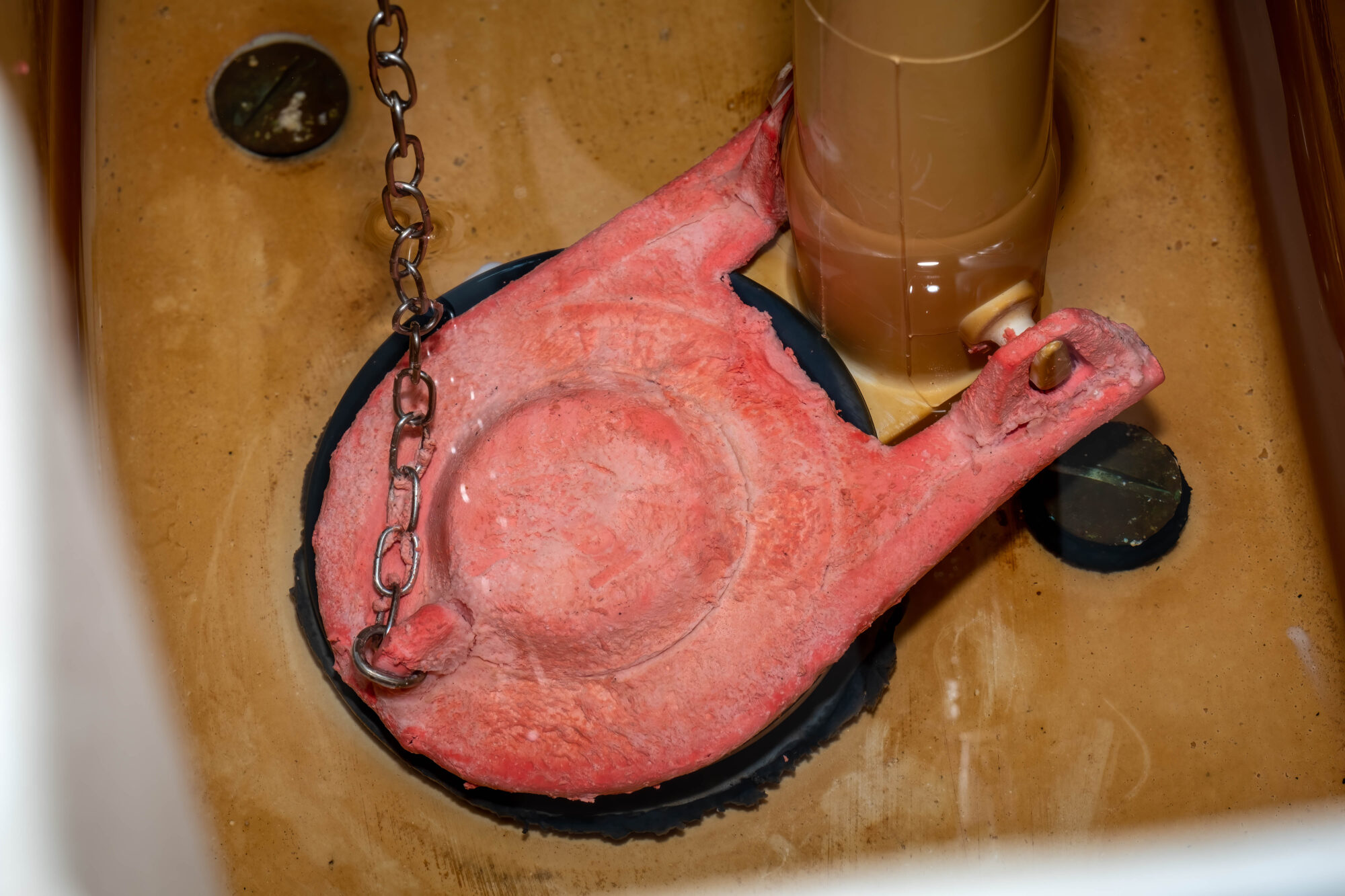
Inside the tank, a small rubber component controls how water moves during and after each flush. That part, called the flapper valve, is one of the most common causes of a toilet running. When it wears out, water begins to leak from the tank into the toilet bowl without stopping.What the Flapper Does Inside the Tank
The flapper seals the flush valve at the bottom of the tank. It lifts when you flush and drops back into place once the tank empties. That seal keeps water in the tank between flushes. When the flapper is correctly seated, the system shuts off as expected. Water stays contained until the next flush cycle begins. The entire flushing mechanism depends on that seal holding firm.Why Flappers Wear Out Over Time
Flappers break down with regular use and constant exposure to water. Mineral buildup, cleaning chemicals, and age cause the rubber to stiffen or lose its shape. Over time, the material no longer sits evenly against the valve. A worn flapper may look intact at first glance. Small warping, a warped flapper, or surface damage prevents a proper seal. That gap allows water to pass through without stopping.How a Failed Flapper Creates a Continuous Leak
When the seal fails, water begins to slip from the tank into the toilet bowl. The tank fills to replace what was lost, then repeats the cycle again. This loop continues as long as the leak remains. The toilet may appear to function normally during use. It flushes, refills, and resets, which makes the issue harder to spot. Behind the scenes, water continues to run continuously through the system without pause.The $5 Fix That Could Save $50 a Month
A running toilet usually stems from a single small part inside the tank. In many cases, it’s the flapper valve that no longer seals properly. Swapping it out takes only a few minutes and stops the water from slipping through between flushes.A Small Part with a Big Impact
Most flappers cost less than ten dollars at a hardware store. It’s a simple piece, but it controls whether water stays in the tank or drains into the toilet bowl. When the seal sits tight again, the system returns to a normal cycle. You’ll notice the difference almost right away. The tank fills once and stays full, rather than refilling throughout the day. That constant background movement finally stops.How to Replace a Toilet Flapper
Turn off the water supply and lift the tank lid. Flush the tank, then unhook the chain and remove the worn flapper from the flush valve. Set the new flapper in place and reconnect the chain with a little slack so it closes fully. Turn the water back on and let the tank fill. Flush once and watch how the flapper settles after the cycle. The seal should hold without the tank refilling itself.What Happens After the Repair
Once the flapper seals properly, the cycle ends where it should. The tank fills, shuts off, and stays that way until the next flush. Water no longer moves through the system in the background. You’ll hear the difference first. The random refilling stops, and the toilet stays quiet between uses. That steady water loss disappears, and the bill reflects it.Signs Your Toilet May Be Leaking Silently
Not every running toilet announces itself. Some leaks develop quietly and show up through small changes that are easy to brush off at first. Catching those early signs keeps the problem from becoming more expensive.Subtle Sounds and Visual Clues
You may hear the tank refill for a few seconds even when no one has used the toilet. That sound tends to come and go, which makes it easy to ignore. It’s a sign that water is moving through the system when it shouldn’t be. Take a look inside the toilet bowl and watch the surface closely. You might notice faint ripples or slight movement even without a recent flush. That kind of motion points to water slipping past the seal from the tank.Unexplained Increase in Water Bills
A higher water bill without any change in daily use usually signals something running in the background. The increase often builds gradually, so it doesn’t raise concern right away. Over time, that steady climb becomes harder to ignore. Everything else in the home may seem normal. Showers, laundry, and sinks follow the same routine, yet the total keeps rising. That pattern often traces back to a toilet leaking silently.Simple Food Coloring Leak Test
A quick test inside the tank gives a clear answer. Add a few drops of food coloring and leave the toilet untouched for several minutes. If color appears in the bowl, water is passing through without a flush. The result shows up without any guesswork. You don’t need tools or special equipment to confirm what’s happening. A visible color change points directly to a seal that isn’t holding.When to Call a Professional for Toilet Leak Repair
A worn flapper causes many running toilets, but it isn’t the only reason water keeps moving. Other parts inside the tank wear down, shift, or fall out of alignment over time. When a quick fix doesn’t stop the problem, the issue usually runs deeper.Issues Beyond the Flapper
Problems with the fill valve, float ball, or float arm keep water cycling inside the tank. When the water level rises too high, it spills into the overflow tube and never fully shuts off. The toilet continues running even without a flush. In some cases, multiple components wear out at once. Replacing one part may quiet things briefly, but the issue returns. That repeat pattern signals a larger problem inside the tank.Why Professional Diagnosis Matters
A plumber tracks down the exact source of the issue instead of guessing. That keeps repairs focused on what’s actually failing rather than swapping out working parts. The fix addresses the cause, not just the symptom. A proper diagnosis also stops the steady loss of water over time. Once the correct component is corrected, the tank returns to a normal fill-and-shutoff cycle. The constant background flow finally stops.Why Professional Repair Makes the Difference
Fixing a running toilet may start with a simple part, but not every issue stops at the flapper valve. Some problems involve multiple toilet components inside the tank that don’t show obvious signs at first. A professional inspection examines the entire system rather than one piece at a time. A plumber identifies the source quickly and corrects it without guesswork. That approach avoids repeated repairs and stops water loss at the root cause. It also keeps small issues from turning into larger plumbing damage. What working with a professional helps prevent:- Ongoing water loss from hidden or misdiagnosed leaks
- Replacing parts that aren’t causing the problem
- Recurring issues that continue after temporary fixes
- Higher water bills from unresolved running toilets