
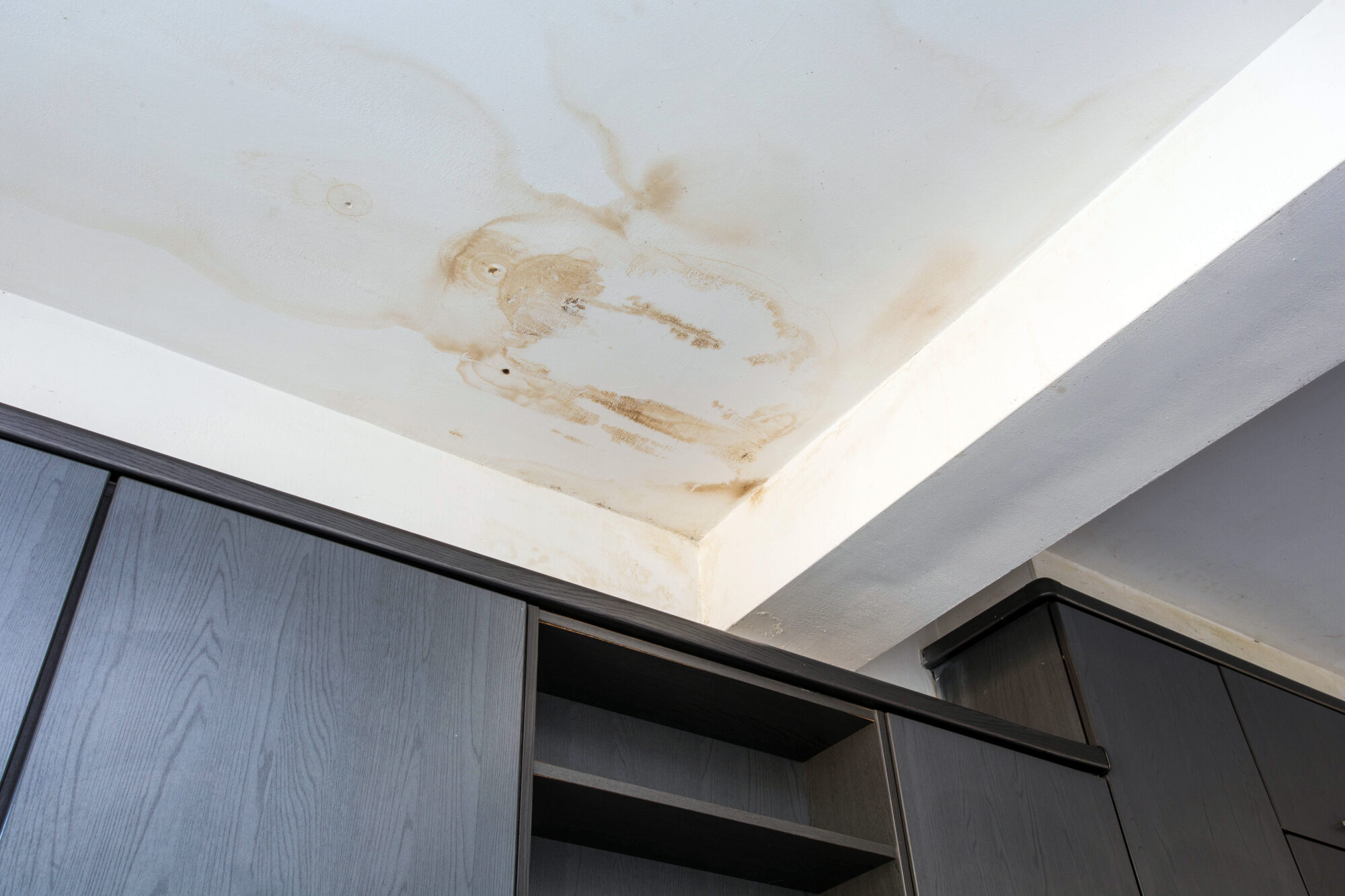
You notice a faint stain spreading along the wall near the ceiling. The paint starts to bubble, and a musty odor lingers even after the room airs out. Nothing is actively leaking, yet something behind the wall has already started to break down.
Hidden leaks remain out of sight until damage becomes apparent. A water stain on the wall or a persistent musty odor indicates moisture that has already moved through the drywall or insulation. What looks minor on the surface often traces back to larger hidden water leaks developing behind walls.
Ignoring early signs of hidden water leaks leads to water damage that builds quickly behind the wall. According to the Insurance Information Institute, water damage and freezing account for nearly 30% of all homeowner insurance claims, placing these issues among the most common causes of property loss.
So, how do you know if you have a hidden leak, and what do you do about it?
In this post, you’ll learn:
- The most common signs of a hidden leak behind walls
- What a water stain on the wall surfaces really indicates
- Why a musty smell at leak points to ongoing moisture
- When to act and call for professional leak detection
Why Hidden Leaks Behind Walls Are a Serious Problem
Plumbing lines run behind walls, ceilings, and floors where daily wear stays out of sight. Loose fittings and aging pipes create slow leaks that spread before anything appears on the surface. These early signs develop quietly, then show up as damage once moisture has already moved through the structure.Aging Pipes and Loose Connections
Pipes expand, contract, and shift as water moves through the plumbing system and water supply. Joints loosen, seals degrade, and older materials break down under pressure changes or low water pressure. These conditions create the starting point for hidden plumbing leaks behind walls. A slow drip from a weakened connection rarely draws attention at first. Water seeps into surrounding materials, building over days or weeks without a visible source. By the time a water stain on wall surfaces appears, the hidden water leak has already been active for some time.Damage to Drywall, Insulation, and Flooring
Moisture does not stay contained once it enters a wall cavity. Drywall absorbs water, insulation traps it, and nearby flooring materials begin to shift or weaken. This spread turns small leaks into significant damage across connected areas. Walls lose firmness as moisture builds inside them. Surfaces begin to warp, soften, or discolor as materials break down. What started behind one section of the wall often moves into surrounding areas without clear boundaries.Mold Growth and Indoor Air Concerns
Moisture trapped behind walls creates the perfect breeding ground for mold growth. A musty odor often signals that organic materials inside the wall have remained damp long enough for mildew to begin growing. That odor is a strong indicator that these conditions pose health risks. Mold develops quickly once moisture is present. The Environmental Protection Agency reports that 10% of U.S. homes have leaks that waste 90 gallons or more of water per day, creating ongoing moisture conditions that support mold growth inside walls.Increased Water Bills from Ongoing Leaks
A hidden water leak continues running even when no fixture is in use. Water moves through the plumbing system and escapes behind the wall, adding to monthly water usage without an obvious source. This often shows up as a steady increase rather than a sudden spike. Higher bills without a clear explanation point to unseen water loss. When combined with other obvious signs, this pattern signals a problem that has been active for some time. Addressing it early limits both structural damage and costly repairs.9 Warning Signs of a Hidden Leak Behind a Wall
Hidden leaks rarely appear all at once. They show through changes in smell, texture, sound, and surface condition before major damage develops. Recognizing early signs helps locate leaks before moisture spreads further.1. Water Stains on Walls or Ceilings
A water stain on wall surfaces often begins as a faint discoloration that slowly expands. It may appear yellow, brown, or slightly darker than the surrounding paint, depending on how long moisture has been present. The shape tends to grow outward as water continues moving behind the surface. Stains may dry on the surface while moisture remains active inside the wall. That pattern leads to recurring discoloration in the same area over time. A spreading or recurring stain points to an unaddressed leak.2. Peeling Paint or Bubbling Wallpaper
Peeling paint or bubbling wallpaper signals moisture trapped beneath the surface. Wallpaper may loosen, wrinkle, or pull away as the adhesive weakens under damp conditions. These changes often appear in patches rather than across an entire wall. Moisture pushes outward from behind the wall, disrupting the surface layer. The material loses its bond as water builds between layers. Sections that continue to lift or bubble indicate ongoing moisture inside the wall.3. Musty or Damp Odors in Certain Areas
A musty smell develops in areas where moisture remains trapped out of sight. The odor often settles in corners, near baseboards, or in sections of wall that receive little airflow. It tends to linger even after cleaning or ventilation. That smell points to organic material staying damp over time. It may grow stronger in enclosed spaces or after periods of inactivity in the room. A persistent odor without a visible source likely stems from hidden moisture behind the wall.4. Soft, Warped, or Swollen Drywall
Drywall absorbs water and loses its firmness as moisture builds. Pressing lightly on the surface may reveal softness or slight movement compared to surrounding areas. The texture often feels uneven or weakened. Warping or swelling follows as the material expands from within. Edges may bow outward or develop subtle bulges along the wall. These changes reflect prolonged exposure to moisture within the structure.5. Mold Spots or Discoloration on Walls
Mold appears as small spots or patches that spread over time. Colors range from black and green to gray or brown, depending on the surface and conditions. The pattern often starts in one area and expands outward. Discoloration forms where moisture remains consistent. Even small patches point to a sustained damp environment behind the wall. Growth that returns after cleaning signals unresolved moisture.6. Damp Areas That Shouldn’t Be Wet
Walls should remain dry under normal conditions. Any area that feels damp without a clear cause points to moisture moving from inside the wall. These spots often appear in locations with no nearby plumbing fixtures. The surface may feel cool or slightly wet to the touch. Moisture may come and go depending on water use elsewhere in the home. Recurring dampness in the same area points to a hidden source behind the wall.7. Dripping or Running Water Sounds Inside Walls
Unexplained sounds inside walls often trace back to a hidden leak. Dripping water, dripping sounds, or faint running water is heard when the space is quiet. These sounds may occur even when no fixtures are in use. Noise may increase during certain times of day or after water runs elsewhere in the home. It fades and returns, which makes it easy to dismiss at first. Repeated sound in the same area signals water escaping behind the wall.8. Unexpected Increase in Water Bills
A steady rise in the monthly water bill or a sudden spike in water usage points to water loss somewhere in the plumbing system. Hidden leaks continue running even when no fixtures are in use. The increase often appears gradually rather than all at once. Monthly costs begin to climb without a clear explanation. The pattern continues across billing cycles instead of leveling off. When paired with other early signs, it points back to water escaping behind the wall.9. Unusual Humidity in Specific Rooms
A room that feels more humid than the rest of the home may have hidden moisture behind the walls. The air feels heavier or slower to clear, even with ventilation. This change often stays isolated to one area. Humidity tied to a hidden leak remains consistent in that space. It may combine with odor, surface changes, or dampness over time. Localized humidity suggests moisture is trapped behind the wall rather than a whole-home issue.What Renters Should Do If They Suspect a Hidden Leak
Renters face a different set of responsibilities when hidden water leaks appear. Acting quickly protects the space and creates a clear record of when the issue started.Document Visible Damage and Moisture
Start by taking clear photos of any water stains on wall surfaces, peeling paint, or damp areas. Capture wide shots and close-ups so the condition and location are easy to identify. Include multiple angles to show how far the issue has spread. Update photos as conditions change over time. This creates a timeline that shows whether damage is expanding or staying contained. Consistent visual records support your report if questions come up later.Track When the Problem Started
Write down when you first noticed signs like discoloration, odor, or dampness. Include details about where the issue appeared and how it has changed since then. A simple log creates a clear starting point tied to the condition. Keep adding notes as new signs develop or worsen. Record dates when the problem becomes more visible or begins affecting other areas. A detailed timeline strengthens your position if responsibility becomes a concern.Record Odors and Damp Conditions
A musty smell leak should be noted along with where and when it appears. Pay attention to areas where the odor is strongest and whether it changes throughout the day. This helps show that moisture is present even when it is not visible. Note any dampness on walls, baseboards, or nearby surfaces. Describe how the area feels and whether the condition returns after drying. Repeated odor or moisture points back to a hidden source behind the wall.Keep Communication with Landlord
Report the issue to the landlord or property manager as soon as signs appear. Use written communication, such as email or text, so there is a record of when the problem was reported. Include photos and a short description of what you’ve observed. Save all responses and follow up if the issue remains unaddressed. Keep records of dates, messages, and any instructions given. A clear communication history shows that the issue was reported and tracked from the beginning.The Value of Acting Early on Hidden Leak Signs
These clues point to a problem that spreads behind the surface long before it becomes visible. Acting early keeps the issue contained and limits how far moisture moves through walls and surrounding materials. A fast response protects both the structure and the cost of repair. Delays allow water to travel into insulation, framing, and adjacent areas. That spread increases the scope of work and raises the chance of mold developing behind the wall. Addressing the issue early keeps the repair focused and easier to manage. What early action helps prevent:- Structural damage inside walls and surrounding materials
- Mold growth is linked to a musty smell and a leak
- Expanding repair costs from prolonged moisture exposure
- Liability concerns for renters documenting a water stain on the wall surfaces